Landscaping in Woodlands: Creating Beautiful, Functional Outdoor Spaces
Why Landscaping in Woodlands Matters

Landscaping in Woodlands is about far more than making a yard look attractive. It is the art of shaping outdoor spaces so they feel welcoming, practical, and well suited to the local environment. In a place like Woodlands, where homeowners value lush surroundings, shaded areas, and polished curb appeal, thoughtful landscape design can transform an ordinary property into a space that feels balanced and inviting.
A well-planned landscape can improve how a property functions every day. It can create outdoor areas for relaxation, define pathways, frame architectural features, and support privacy without making the space feel closed in. With landscaping in Woodlands, the goal is often to blend beauty with usability, making sure every plant, path, and hardscape element serves a purpose.
Another reason landscaping in Woodlands is so important is the way it contributes to long-term property value. Attractive, well-maintained outdoor spaces often create a strong first impression and can set a home apart in a competitive neighborhood. Whether the project includes native planting, lawn care, lighting, or stonework, the finished result can elevate both appearance and livability.
Understanding the Woodlands Environment

The local climate and soil conditions play a major role in successful landscaping in Woodlands. Warm temperatures, periodic heavy rain, and humidity all affect how plants grow and how outdoor materials perform over time. That means a landscape designed for another region may not thrive here without adjustments.
Choosing the right plants is one of the smartest decisions a property owner can make. Native and climate-adapted species usually require less maintenance, withstand local weather better, and support a healthier landscape overall. These plants often develop stronger root systems and can handle seasonal changes more effectively than high-maintenance alternatives.
Soil health also matters. In many cases, successful landscaping in Woodlands starts below the surface, with proper soil preparation, drainage planning, and organic improvement. A healthy landscape is built on fertile ground, and investing in soil quality can make everything above it look better and last longer.
Climate-Smart Choices for Lasting Results
When planning landscaping in Woodlands, it helps to think about heat tolerance, water usage, and seasonal resilience. Plants that offer year-round structure, flowering interest, and reliable growth are often the best fit. By balancing aesthetics with environmental performance, homeowners can enjoy a landscape that remains attractive through changing weather conditions.
Core Elements of Landscaping in Woodlands

Every successful landscape begins with a plan. Landscaping in Woodlands typically combines several essential elements, each contributing to the overall look and function of the property. These elements may include softscaping, hardscaping, drainage solutions, lighting, and irrigation systems. When thoughtfully integrated, they create a cohesive outdoor environment.
Softscaping refers to the living components of a landscape, such as trees, shrubs, flowers, ornamental grasses, and turf. These features add color, texture, movement, and seasonal variety. In Woodlands, layering plants of different heights can create depth and visual interest while still preserving an open, airy feel.
Hardscaping includes non-living structures like patios, retaining walls, edging, walkways, and outdoor seating areas. In landscaping in Woodlands, hardscape elements are especially valuable because they provide structure and help define outdoor living spaces. Materials such as stone, pavers, and decorative gravel can complement the natural surroundings while offering durability.
Planning for Flow and Function
Good landscape design is not only about individual features; it is also about how those features work together. A walkway should feel natural and inviting. A patio should connect comfortably with the home and garden. Plant beds should frame spaces without blocking views or reducing usability. These details matter when creating polished landscaping in Woodlands.
Popular Landscaping Styles in Woodlands
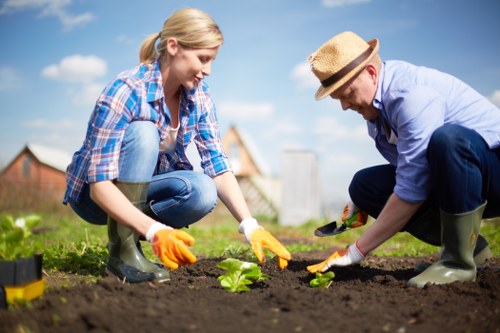
Homeowners exploring landscaping in Woodlands often look for a style that matches both the property and their lifestyle. Some prefer a clean, modern look with geometric lines and minimal plant clutter. Others like a more natural design with layered greenery, soft curves, and flowering borders. There is no single right answer; the best style depends on the home, the lot, and the desired maintenance level.
A traditional landscape usually includes symmetrical planting, manicured lawns, and classic features like hedges or formal flower beds. This style can feel timeless and elegant. In contrast, a contemporary landscape often favors simple materials, limited plant palettes, and crisp lines that create a sophisticated appearance.
For many properties, a naturalistic approach works beautifully. This style emphasizes native plants, organic shapes, and a softer transition between the home and the surrounding environment. In Woodlands, this can be especially appealing because it supports a lush, established look without feeling overly rigid.
Choosing the Right Style for Your Property
Before starting landscaping in Woodlands, consider how the outdoor area will be used. Do you want a quiet retreat, an entertaining space, or a front yard that makes a strong first impression? Matching style to purpose helps ensure the final result feels intentional and satisfying.
- Formal for symmetry and elegance
- Modern for clean lines and simplicity
- Natural for relaxed, organic beauty
- Mixed for flexibility and balance
Plant Selection for Landscaping in Woodlands
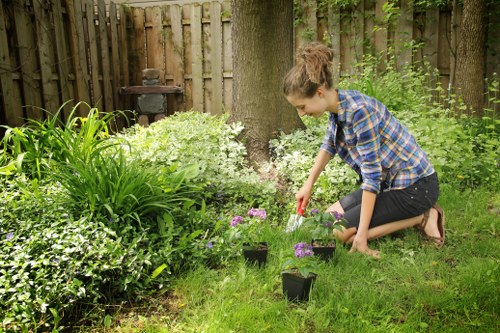
Plant selection is one of the most visible and important parts of landscaping in Woodlands. The right mix of trees, shrubs, groundcovers, and seasonal color can create a rich and layered appearance. At the same time, carefully chosen plants can reduce maintenance demands and improve long-term success.
Trees are often used to anchor a design, provide shade, and add height. In Woodlands, shade trees can be especially valuable around patios, driveways, and front yards where cooling and structure are both useful. Shrubs help define borders and create fullness, while flowering plants can add bursts of color throughout the year.
It is also wise to think about plant spacing and growth habits. Plants that look small in the beginning may expand significantly over time. Proper spacing prevents overcrowding and keeps landscapes healthy. This is especially important in landscaping in Woodlands, where lush growth can quickly become dense if not planned carefully.
Best Practices for Plant Grouping
Planting in groups rather than scattering species randomly often creates a stronger visual effect. Repetition can bring rhythm to a design, while varied textures help prevent monotony. Using a mix of evergreens and seasonal bloomers can maintain structure even when flowers are not in peak season.
- Start with structural plants such as trees and large shrubs.
- Add medium-sized shrubs to fill space and define borders.
- Use low-growing plants and groundcovers for softness and detail.
- Finish with accents that add color, scent, or seasonal interest.
Hardscaping Features That Enhance Landscaping in Woodlands
Hardscaping brings permanence and definition to outdoor spaces. In landscaping in Woodlands, these features often help turn a yard into a usable extension of the home. Patios, pathways, retaining walls, garden borders, and outdoor kitchens can all add function while improving visual appeal.
A well-designed patio can become the center of outdoor living. Whether used for dining, relaxing, or entertaining, it creates a stable and attractive surface that supports daily use. Walkways guide movement through the landscape and make the property feel organized. Retaining walls can solve elevation challenges while adding texture and dimension.
Material choice is important too. Natural stone creates a timeless feel, while pavers offer versatility and design consistency. Decorative edging can make a planting bed look crisp and finished. In landscaping in Woodlands, the goal is to select materials that complement the home and hold up well in local weather conditions.
Blending Hardscape and Softscape
The most appealing landscapes usually balance stone, wood, metal, and greenery in a way that feels natural. Too much hardscape can make a yard feel harsh, while too much planting can feel unstructured. Combining both creates contrast and harmony. That balance is a defining feature of effective landscaping in Woodlands.
Practical Hardscaping Ideas
- Curved walkways for a softer, more organic look
- Raised planting beds for added dimension
- Stone borders to define lawn and garden edges
- Seating areas that connect with the home and garden
Lawn Care and Turf Management in Woodlands
Healthy turf is a major part of many landscapes, and lawn care is essential to maintaining a polished appearance. Landscaping in Woodlands often includes routine mowing, edging, fertilizing, aeration, and weed control to keep lawns dense and vibrant. A well-kept lawn creates a clean backdrop for trees, shrubs, and decorative features.
Irrigation is another key factor in turf success. In warm climates, grass can quickly show signs of stress without proper watering. A well-designed irrigation system helps deliver water efficiently and consistently, reducing dry spots and promoting stronger root growth. Smart watering schedules can also support water conservation.
Seasonal maintenance plays a major role in keeping turf healthy. Mowing height, fertilization timing, and soil care should all adjust throughout the year. In landscaping in Woodlands, staying ahead of seasonal changes helps protect the lawn from stress and keeps the property looking its best.
Maintaining Lawn Quality Year-Round
Property owners can improve turf performance by addressing common issues early. Bare patches, compacted soil, and persistent weeds should be handled before they spread. A proactive approach helps preserve the look and feel of the landscape, while also reducing long-term repair work.
Irrigation and Drainage Considerations
Water management is one of the most important technical aspects of landscaping in Woodlands. Too much water can damage roots, while too little can stress plants and turf. An effective irrigation system helps maintain balance, but it must be designed with the property’s layout, plant types, and soil conditions in mind.
Drainage is equally important. Heavy rainfall can lead to pooling, erosion, and foundation concerns if water is not directed properly. Swales, grading adjustments, French drains, and strategically placed drainage channels can help move water away from vulnerable areas. These solutions protect both the landscape and the home.
A well-managed water system also contributes to sustainability. By reducing runoff and improving absorption, homeowners can support healthier plant growth while using resources more efficiently. In landscaping in Woodlands, this practical planning is essential for long-term success.
Signs Your Landscape May Need Water Management Improvements
- Standing water after rain
- Soil erosion near beds or walkways
- Plants that appear stressed despite watering
- Uneven lawn color or growth patterns
Outdoor Lighting for Safety and Beauty
Outdoor lighting can dramatically improve landscaping in Woodlands by extending the beauty of the property into the evening hours. Lighting adds warmth, highlights focal points, and makes walkways safer to use after dark. It can also create a more welcoming atmosphere for guests.
Path lights, uplights, accent lights, and step lights all serve different functions. Uplighting can draw attention to trees or architectural features, while path lighting improves visibility and defines movement. Soft lighting around patios and entrances creates comfort without overwhelming the space.
From a design standpoint, lighting helps landscaping in Woodlands feel complete. It brings dimension to plantings and hardscape features while supporting functionality. When positioned carefully, lighting can make even a modest yard feel refined and thoughtfully composed.
Lighting Tips for Better Outdoor Design
Keep the lighting plan subtle and intentional. Overlighting can reduce the natural beauty of the space, while balanced illumination enhances both safety and ambiance. Choose fixtures that match the style of the home and complement nearby materials.
Seasonal Landscaping in Woodlands
Landscaping in Woodlands changes throughout the year, which makes seasonal maintenance especially important. Spring is often the time for planting, refreshing mulch, and preparing beds for strong growth. Summer requires attention to watering, pruning, and heat stress. Fall can be ideal for aeration, cleanup, and plant replacement.
Even in a warm climate, seasonal shifts influence landscape performance. Some plants flower best at certain times, while others need trimming or feeding at specific intervals. A seasonal plan keeps the yard looking fresh and helps avoid neglected areas.
Routine updates are also a chance to improve the overall design. Replacing tired plants, refreshing borders, and adjusting spacing can keep landscaping in Woodlands attractive year after year. This ongoing care is what separates a landscape that simply exists from one that truly thrives.
Useful Seasonal Tasks
- Prune shrubs to maintain shape and health
- Refresh mulch to retain moisture and improve appearance
- Inspect irrigation systems for leaks or uneven coverage
- Remove weeds before they spread
Low-Maintenance Landscaping Solutions
Many property owners want a beautiful yard without spending every weekend on upkeep. Low-maintenance landscaping in Woodlands can deliver that balance by using durable plants, efficient irrigation, and practical design choices. This approach reduces labor while still creating a polished outdoor setting.
Groundcovers, native shrubs, mulch beds, and sturdy hardscape materials are all useful in low-maintenance designs. These elements help reduce mowing, watering, and frequent replanting. They also allow the landscape to age gracefully with minimal intervention.
Simple design often works best. Clean borders, grouped plantings, and a limited palette can create a refined look without requiring excessive attention. In landscaping in Woodlands, low-maintenance does not mean plain; it means smart, efficient, and visually appealing.
Features That Reduce Maintenance
- Native and drought-tolerant plants
- Automated irrigation systems
- Mulch for weed suppression and moisture retention
- Durable patios, paths, and edging
How Professional Landscaping in Woodlands Adds Value
Professional landscaping in Woodlands offers more than visual improvement. It brings expertise, planning, and consistency to a project, helping property owners avoid costly mistakes. A skilled landscape team can evaluate site conditions, recommend suitable plants, and design spaces that make sense for the property.
Professionals also understand how to combine aesthetics with function. They can create outdoor areas that are comfortable, efficient, and aligned with the property’s style. From drainage corrections to planting plans and hardscape installations, professional input can improve the final outcome significantly.
For many homeowners, investing in landscaping in Woodlands is also an investment in lifestyle. A more attractive yard can encourage time outdoors, make entertaining easier, and create a stronger sense of pride in the home. That combination of beauty and usability is one of the biggest benefits of expert landscape work.
What to Expect from a Quality Landscaping Approach
Expect thoughtful planning, clear design intent, and attention to detail. Good landscaping should feel tailored to the property rather than copied from a template. When each element supports the others, the result is a space that feels cohesive, practical, and elegant.
Design Trends Influencing Landscaping in Woodlands
Current trends in landscaping in Woodlands often favor natural textures, layered planting, and outdoor living spaces that feel connected to the home. Many property owners are also prioritizing sustainability, water efficiency, and plant selection that supports long-term health with less waste.
Another common trend is the use of mixed materials. Stone, wood, gravel, and lush vegetation can work together to create contrast and warmth. This layered look adds depth while keeping the landscape interesting throughout the year.
Outdoor entertaining spaces are also increasingly popular. Patios, fire features, shaded seating, and garden lighting help homeowners use their yards more actively. In landscaping in Woodlands, these elements turn the landscape into a living extension of the home rather than just a decorative border.
Modern Features Worth Considering
- Rain-smart irrigation systems
- Pollinator-friendly planting areas
- Defined outdoor living zones
- Textured plant combinations
Creating a Landscape That Feels Like Home
The best landscaping in Woodlands reflects the people who live there. Some homeowners want a calm retreat filled with greenery and shade. Others want a space that is lively, polished, and suitable for gatherings. The beauty of landscape design is that it can be shaped around personal needs while still improving curb appeal and property value.
Every detail matters, from the curve of a walkway to the placement of a flowering shrub. When these elements are chosen carefully, they create an environment that feels intentional and enjoyable. Landscaping in Woodlands should not feel forced or generic; it should feel natural, comfortable, and well matched to the home.
If you are ready to improve your outdoor space, now is the perfect time to take the next step. Whether your project involves new plantings, lawn upgrades, lighting, or a full outdoor redesign, the right approach can make a remarkable difference. Contact us today to start planning landscaping in Woodlands that looks beautiful and works for your lifestyle. Book your service now and bring your outdoor vision to life.