Landscape Gardening in Woodlands: Designing Beautiful, Practical, and Natural Outdoor Spaces
Landscape gardening in Woodlands is about creating outdoor spaces that feel harmonious, usable, and visually appealing while respecting the character of the local environment. Whether you have a compact front yard, a wide family garden, or a commercial property that needs curb appeal, the right approach to landscape gardening can transform an ordinary plot into a place that feels welcoming year-round. In Woodlands, where outdoor living, privacy, and lush planting often matter just as much as structure and function, thoughtful design makes a remarkable difference.
Good landscape gardening in Woodlands blends plant selection, hard landscaping, and practical planning so the space works in everyday life. From shaded corners and seasonal color to pathways, patios, and water-wise planting, every feature should have a purpose. A successful garden is not only attractive; it is easier to maintain, healthier for plants, and better suited to the local climate and lifestyle.
Homeowners and property managers often start with a simple goal: to make the garden look better. But truly effective landscape gardening goes further. It considers sunlight, soil type, drainage, privacy, safety, and how people will move through the space. When these elements are combined well, the result is a landscape that feels balanced, inviting, and long-lasting.
Why Landscape Gardening in Woodlands Matters
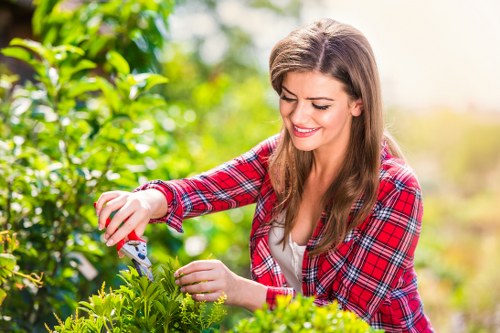
Landscape gardening in Woodlands is not just about appearance. It can improve property value, create enjoyable outdoor rooms, and support a healthier environment. A well-planned garden can make a home feel larger by extending living space outdoors. It can also soften architectural lines, reduce heat around the property, and bring a sense of calm to busy routines.
Many people choose landscape gardening in Woodlands because they want a garden that looks beautiful without becoming overly demanding. That is where smart design becomes essential. Planting the right shrubs, trees, and groundcovers in the right places can reduce maintenance while keeping the garden vibrant. Paths, retaining edges, and defined planting beds can also make the whole space easier to manage.
Woodlands landscapes often benefit from a style that feels lush, layered, and practical. Instead of forcing a design that clashes with the site, a good landscaping plan works with the natural surroundings. This means using textures, heights, and colors in a way that feels seamless rather than overly formal or artificial.
Benefits for homes and businesses
Landscape gardening in Woodlands offers many advantages for both residential and commercial properties. For homes, it improves outdoor enjoyment, creates areas for entertaining, and enhances privacy. For businesses, it strengthens first impressions, improves customer confidence, and can even support a calmer, more professional setting.
Some of the main benefits include:
- Increased curb appeal and property value
- Better use of outdoor space
- Improved privacy and screening
- Lower long-term maintenance when plants are chosen well
- More comfortable spaces for relaxing or entertaining
Planning Landscape Gardening in Woodlands
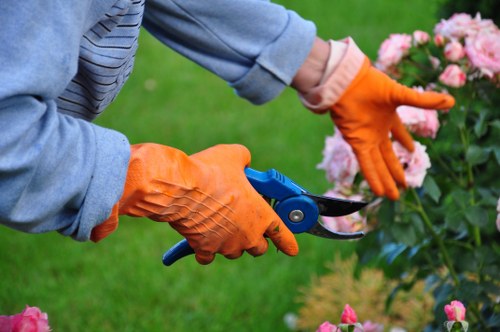
The best landscape gardening in Woodlands starts with careful planning. Before choosing plants or materials, it helps to assess the site thoroughly. Look at how sunlight moves across the property, where water collects after rain, which areas are exposed to wind, and what parts of the garden are most visible from the house or street. These observations shape every good design decision.
A practical plan should also account for lifestyle. A family with children may need durable lawn areas and open zones for play. A couple who enjoys hosting may want a patio, seating area, or outdoor kitchen. Someone focused on low maintenance may prefer layered shrubs, mulch, and evergreen structure rather than flower beds that need frequent replanting.
In landscape gardening in Woodlands, planning is also about setting priorities. Not every feature needs to be added at once. Often the best approach is to build the landscape in stages, beginning with structural elements such as paths, edging, drainage, and tree placement. Once those are in place, softer planting and decorative features can be added.
Key planning questions
Before beginning any project, ask yourself:
- How will the space be used day to day?
- Which parts of the garden need more privacy or shade?
- What level of maintenance is realistic?
- Which materials suit the property style?
- How can the design stay attractive through the seasons?
Answering these questions early can save time, reduce costs, and lead to a much more satisfying result.
Choosing Plants for Landscape Gardening in Woodlands
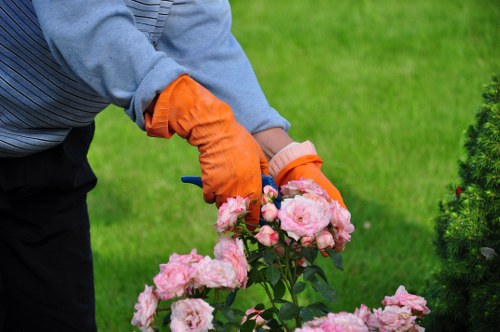
Plant selection is one of the most important parts of landscape gardening in Woodlands. The right plants will thrive in local conditions, add structure and color, and reduce the need for constant intervention. A healthy planting scheme should include a mix of trees, shrubs, perennials, ornamental grasses, and groundcovers to create depth and visual interest.
For a layered look, many designers combine evergreen plants with seasonal bloomers. Evergreens provide year-round form, while flowering plants bring movement and color through the warmer months. This mix helps the garden look finished in every season rather than only at peak flowering times. When done well, the planting feels natural, balanced, and easy to maintain.
Woodlands garden design often works best when it reflects the local environment. Shade-tolerant plants are ideal for covered areas or spaces under mature trees, while sun-loving species can brighten open beds and borders. Drought-tolerant options can also be useful in exposed areas or places where watering needs to be managed carefully.
Planting ideas that work well
- Evergreen shrubs for year-round structure and privacy
- Flowering perennials for seasonal color and texture
- Ornamental grasses for movement and softness
- Groundcovers to reduce weeds and fill bare areas
- Small trees for shade, screening, and focal points
Balancing beauty and maintenance
One of the smartest decisions in landscape gardening in Woodlands is choosing plants that look good without creating too much work. If a garden is packed with high-maintenance species, it may initially look impressive but become difficult to sustain. A better approach is to mix standout plants with reliable foundation planting, creating a landscape that remains attractive with reasonable care.
Local climate conditions should always influence plant choice. Matching plants to the site helps them grow more strongly, stay healthier, and need less replacement over time.
Hard Landscaping Features in Woodlands Garden Design
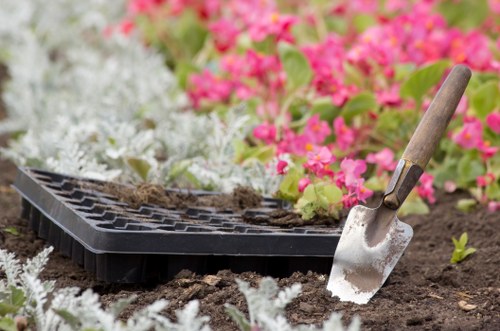
Hard landscaping provides the structure that supports planting and makes a garden usable. In landscape gardening in Woodlands, this may include patios, paving, decking, retaining walls, raised beds, pergolas, fences, edging, and garden steps. These features define the space, improve access, and create zones for different activities.
Well-chosen hard landscaping materials should complement the style of the property. Natural stone can create a timeless look, while brick or concrete paving may suit more traditional or modern designs depending on the finish. Timber features can soften the overall appearance and add warmth, especially when paired with lush planting. The key is to keep the materials consistent with the property and practical for everyday use.
Hard landscaping also contributes to functionality. A garden with clearly defined paths and seating areas is easier to navigate and enjoy. Retaining walls can manage slopes and create level planting zones. Raised beds can improve access for planting and maintenance, while screens and fences can provide privacy without making the garden feel closed in.
Common hard landscaping elements
- Patios and seating terraces
- Pathways and stepping stones
- Decking and timber platforms
- Retaining walls and raised planters
- Decorative edging and borders
Creating flow between spaces
An effective garden layout should feel easy to move through. Landscape gardening in Woodlands often works best when the hard landscaping creates gentle transitions from one area to another. For example, a patio may lead into a lawn, which then opens into a planted border or shaded retreat. This kind of flow makes the garden feel larger and more inviting.
Texture, proportion, and scale matter a great deal here. Oversized paving can overwhelm a small space, while tiny features may disappear in a larger garden. A balanced design ensures the entire space feels cohesive and comfortable.
Design Styles for Landscape Gardening in Woodlands
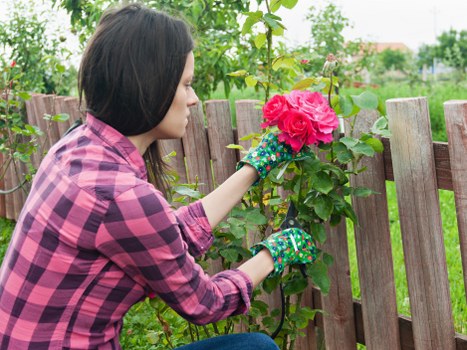
There is no single formula for landscape gardening in Woodlands. The best style depends on the architecture of the property, the personality of the homeowner, and how the space will be used. Some gardens work best with a relaxed, natural feel, while others benefit from clean lines and a more structured approach.
A contemporary landscape often features simple lines, bold shapes, and restrained planting. This can work well for modern homes, especially when paired with statement trees, ornamental grasses, and minimal paving. By contrast, a more traditional design may use curved beds, clipped hedging, and a fuller planting palette to create a softer, established look.
For many properties, the most effective choice is a blended style that combines formality with softness. A strong framework of paths, borders, and focal points can be balanced with lush planting and natural textures. This produces a garden that feels refined but still approachable.
Popular style directions
- Modern minimalist with geometric shapes and low-clutter planting
- Naturalistic with layered planting and softer lines
- Traditional with hedges, borders, and classic materials
- Family-friendly with open lawn areas and durable surfaces
- Private retreat with screens, shade, and secluded seating
Choosing a style that lasts
When selecting a style, think beyond trends. Landscape gardening in Woodlands should age well and remain appealing over time. Timeless design principles such as balance, repetition, and proportion tend to hold up better than highly fashionable features that may feel dated later.
Consistency matters across the entire property. If the front and back gardens are linked visually, the whole landscape feels more polished and intentional.
Maintenance Tips for Long-Lasting Results
Even the best landscape gardening in Woodlands needs ongoing care. Maintenance does not have to be overwhelming, but it should be planned from the start. A garden designed with maintenance in mind is much easier to keep healthy and attractive. That means choosing durable materials, grouping plants with similar needs, and leaving enough space for access to beds, hedges, and lawn areas.
Regular attention keeps the garden looking fresh. Basic tasks such as trimming, weeding, mulching, feeding, and seasonal pruning help prevent problems before they become serious. If irrigation is used, it should be checked periodically to make sure plants receive the right amount of water. Drainage should also be monitored, especially in areas where standing water could harm roots or damage hard surfaces.
In landscape gardening in Woodlands, a maintenance plan is just as valuable as the initial design. Without one, even a beautiful garden can become overgrown or tired. With one, the garden stays lively, structured, and enjoyable throughout the year.
Simple maintenance practices
- Mulch beds to reduce weeds and retain moisture
- Prune shrubs at the right time of year
- Remove dead or damaged growth regularly
- Inspect paving, edging, and walls for wear
- Refresh seasonal plantings when needed
Sustainable Landscape Gardening in Woodlands
Sustainability is becoming increasingly important in landscape gardening in Woodlands. Many homeowners now want gardens that are attractive, resource-efficient, and kinder to the environment. This can be achieved through water-conscious planting, soil improvement, composting, and the use of locally appropriate materials. A sustainable garden often costs less to maintain over time and supports healthier growth.
One of the simplest ways to improve sustainability is to choose plants that suit the site rather than forcing high-water or high-input species into difficult conditions. Native and climate-adapted plants often perform well because they are naturally suited to the area. In addition, permeable paving and thoughtful drainage solutions can help manage rainfall more effectively.
Eco-friendly landscape gardening also includes reducing waste and reusing materials where possible. Fallen leaves can be composted, pruned material can be chipped for mulch, and durable hard landscaping can reduce the need for replacement. These practical decisions support a garden that is both beautiful and responsible.
Sustainable ideas to consider
- Rainwater collection for irrigation
- Mulch to improve soil health and conserve moisture
- Permeable surfaces to support drainage
- Pollinator-friendly planting for biodiversity
- Low-energy lighting for paths and key features
Designing for the future
Landscape gardening in Woodlands should ideally meet present needs while allowing the garden to adapt over time. Trees will grow, seasons will change, and family routines may shift. Choosing flexible layouts and resilient plant palettes ensures the garden remains useful and attractive for years to come.
Common Mistakes to Avoid
Many outdoor spaces fall short because the design focuses on looks alone. In landscape gardening in Woodlands, common mistakes include poor plant placement, ignoring drainage, overcrowding beds, and choosing materials that clash with the home. These issues can make the garden harder to maintain and less enjoyable to use.
Another frequent mistake is failing to think about scale. Large furniture or oversized features can dominate smaller gardens, while tiny details may feel lost in bigger spaces. A strong design respects the proportions of the property and uses each element to support the whole composition. It is also important not to underestimate the value of clear circulation routes and functional storage.
Planning before planting is essential. Without a clear framework, it is easy to end up with a garden that looks disorganized or feels impractical. Taking time to understand the site and establish priorities leads to better results and fewer costly changes later.
Issues worth avoiding
- Poor drainage that damages planting and paving
- Overcrowded beds with weak air circulation
- Materials that do not suit the property style
- Too many plant varieties without a clear structure
- Neglecting lighting, access, or privacy needs
How Professional Landscape Gardening in Woodlands Adds Value
Professional landscape gardening in Woodlands can deliver a level of finish that is difficult to achieve without experience. A skilled designer or landscaper understands how to combine structural elements, planting, and site conditions into a single coherent plan. This often leads to better use of budget, stronger plant health, and a more polished result.
Professionals can also help avoid costly mistakes. They know how to address drainage challenges, recommend suitable materials, and place plants where they will thrive. They can also create a design that suits both the property and the owner’s lifestyle, which makes the garden more practical as well as beautiful.
For those considering a transformation, professional support can be especially useful when the garden has slopes, poor soil, limited access, or complex privacy needs. In these cases, landscape gardening in Woodlands benefits greatly from expert planning and careful execution.
What a professional approach can include
- Site assessment and layout planning
- Plant selection matched to conditions
- Drainage and soil improvement solutions
- Installation of paths, patios, and borders
- Ongoing maintenance recommendations
Bringing Your Woodlands Garden to Life
Landscape gardening in Woodlands is ultimately about creating a space that works beautifully for the people who use it. The best gardens are not just decorative; they are enjoyable, functional, and suited to the local environment. A successful project balances plants, materials, and structure so the outdoor area feels complete in every season.
Whether you are refreshing an existing garden or starting from scratch, the process should be thoughtful and intentional. Focus on the way the space will be used, choose plants that fit the site, and build a strong framework with paths, patios, and edges. Then allow the planting to bring the design to life with texture, color, and movement.
If you are ready to improve your outdoor space, contact us today to start planning your landscape gardening in Woodlands. A well-designed garden can make everyday living more enjoyable, and book your service now to take the first step toward a more attractive and practical property.
Landscape gardening in Woodlands can be elegant, durable, and easy to enjoy when each detail is planned with care. With the right approach, your garden can become a space that feels welcoming, natural, and perfectly suited to your home.