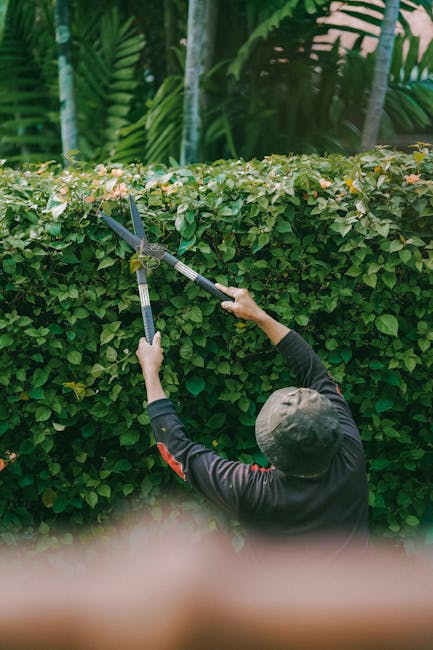
Simple pruning routines professionals use for healthy shrubs
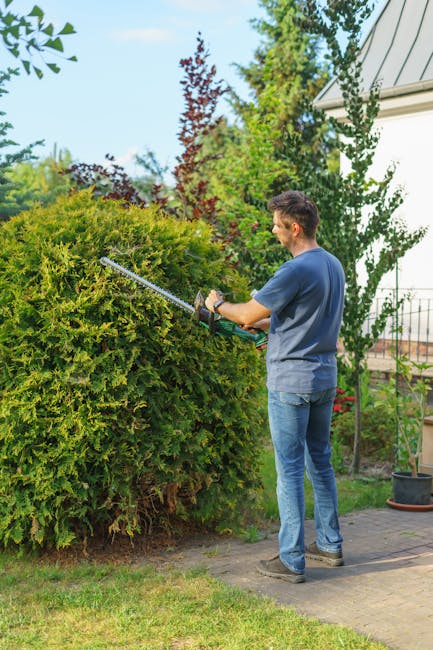
Shrubs can make a garden feel polished, layered, and alive, but only if they're kept in good shape. Leave them too long and they become leggy, crowded, or frankly a bit tired-looking. Cut them badly and you can slow growth, stress the plant, or ruin the natural form. That's why simple pruning routines professionals use for healthy shrubs are so useful: they're not complicated, they're repeatable, and they focus on plant health first. In practice, the best routines are calm, selective, and seasonal rather than drastic.
Whether you're tidying a small front garden, maintaining mature borders, or managing mixed evergreen and deciduous shrubs, the same principles apply. Professionals aim to remove what is weak, crossed, dead, or awkward, then shape lightly so the shrub keeps its energy where it matters. This guide breaks down how it works, when to do it, what tools help, and the common mistakes that cause more harm than good.
Why simple pruning routines matter
Healthy shrubs do more than fill space. They provide structure, privacy, flowers, berries, shelter for wildlife, and a sense of balance in the garden. A good pruning routine helps them keep all of that without turning into a tangled mass. The trick is that pruning is not just about appearance. It is about directing growth.
When a shrub becomes congested, air circulation drops, light struggles to reach the inner stems, and you often see weaker flowering or sparse growth. In damp British weather, that can mean more fungal problems too. A modest, regular approach often gives better results than the dramatic once-a-year chop. To be fair, many shrubs recover from a hard cut eventually, but why put them through that if you do not need to?
Professionals usually think in terms of plant health, not just tidiness. They look for signs such as dead wood, branches rubbing together, shoots growing in the wrong direction, and stems that are stealing energy from the overall framework. That makes pruning feel less like a chore and more like maintenance with a purpose.
There is also a practical garden-design side to this. Shrubs that are kept in proportion sit more naturally beside lawns, paths, fences, decking, and planting beds. If you are already planning wider outdoor improvements, services such as regular garden maintenance in Woodlands TW3 or landscaping support in Woodlands TW3 can help keep the whole space in sync rather than treating each plant in isolation.
How simple pruning routines professionals use for healthy shrubs works
At heart, the routine is straightforward: inspect, remove, thin, shape, and step back. Professionals rarely rush straight in with the biggest tool. They start by reading the shrub. That means checking the plant's species, whether it flowers on old wood or new wood, and how it has been growing through the season.
There are three broad pruning actions most pros rely on:
- Cleaning out dead, damaged, diseased, or crossing stems.
- Thinning selected stems to improve light and air movement.
- Light shaping to keep a natural, balanced outline.
That last part matters. A healthy shrub should still look like itself afterwards. You want a better version of the plant, not a topiary experiment gone a little wrong.
Professionals also match the cut to the growth habit. For example, a spring-flowering shrub often needs pruning after it finishes flowering, because it has already set buds for next year. Summer-flowering shrubs are often pruned earlier in the year or after their flowering cycle, depending on the species. Evergreen shrubs tend to need a lighter hand, while vigorous deciduous shrubs may accept more renewal pruning. Simple routine, yes. One-size-fits-all, no.
In a typical garden, the process is repeated in small, sensible visits rather than one annual blitz. That might mean a light tidy in late winter, a check after flowering, and a corrective trim later in the growing season. It is the kind of rhythm that keeps shrubs tidy without shocking them.
Key benefits and practical advantages
The benefits of regular shrub pruning are easy to see once you have done it properly a few times. The plant looks cleaner, but the deeper gains are health-related.
- Better airflow: Helps foliage dry faster after rain and reduces damp congestion.
- More light: Encourages growth lower down instead of leaving a bare centre.
- Stronger structure: Removes weak or badly placed stems before they become a problem.
- Improved flowering: Many shrubs bloom more freely when energy is not wasted on crowded growth.
- Longer plant life: Routine care reduces stress and supports steadier growth year after year.
- Safer garden edges: Overgrown shrubs can encroach on paths, fences, patios, and neighbouring spaces.
There's a practical time-saving benefit too. Light, regular pruning is much faster than trying to rescue an overgrown shrub later. If you have ever spent an entire Saturday wrestling with a branchy old cotoneaster or a hedge-like laurel, you will know the difference. It's not subtle.
For gardens where shrubs sit near hard surfaces, pruning also helps other maintenance jobs. A shrub that is kept in check is easier to clean around, easier to mow beside, and less likely to spill leaves and stems everywhere. That can be especially helpful if your garden also needs lawn mowing in Woodlands TW3 or patio cleaning in Woodlands TW3 to stay presentable.
Expert summary: the best pruning routine is light enough to avoid stress, regular enough to stop congestion, and selective enough to protect the shrub's natural shape. That combination is what keeps shrubs healthy for the long run.
Who this is for and when it makes sense
This approach suits most home gardeners, landlords, property managers, and anyone who wants shrubs to look good without constant fuss. It is especially useful if you are working with a mixed garden and want a routine that is easy to remember. Truth be told, most people do not need a complicated pruning calendar pinned to the fridge. They need a few clear rules and the confidence to use them.
It makes sense if you are dealing with:
- flowering shrubs that have started to look patchy
- evergreen shrubs that have grown dense inside
- old shrubs with dead or woody centres
- boundary planting that is creeping into paths or fences
- shrubs that have survived winter and now need a tidy-up
It is also the right approach if you want to support the rest of the garden's design. For instance, a shrub near a seating area should keep a softer, open form so it feels welcoming rather than looming. That can matter if your outdoor space is part of a broader plan, whether you are improving decking services in Woodlands TW3 or refining borders around a fence line with fencing in Woodlands TW3.
On the other hand, if a shrub is very large, storm-damaged, or growing close to overhead hazards, it may need specialist assessment before you cut anything. That is where professional judgement really earns its keep.
Step-by-step guidance
Here is a practical routine professionals use. It is simple, but the order matters.
- Identify the shrub
Before you cut, work out what you are pruning. Flowering time tells you a lot. A shrub that flowers in spring may have already formed next year's buds. A shrub that flowers on new growth is usually more forgiving. - Check the plant from all sides
Walk around it. Look for dead wood, crossing stems, weak shoots, and branches rubbing against each other. This first look often shows the real problem faster than any guesswork. - Remove dead, diseased, and damaged growth
Cut back to healthy tissue or to the branch junction. Make neat cuts. Ragged cuts invite trouble and look untidy too. - Thin the crowded centre
Take out a few of the oldest or most congested stems right from the base where appropriate. This opens the middle without turning the plant into a skeleton. - Shorten overextended shoots
Reduce only the growth that is spoiling the shape or pulling the shrub out of balance. Avoid chopping every tip to the same level unless the plant is naturally suited to that style. - Step back and reassess
Never trust your eyes too much up close. Step back, look at the outline, and check whether the plant still feels natural. - Clean up properly
Clear away prunings, especially any diseased material. Leaving it under the shrub can invite pests, mould, or a wet mess after rain.
A helpful rule: if you are unsure, take less off. You can always remove a little more later. You cannot glue growth back on, annoying as that is.
For many gardens, the easiest rhythm is a light winter or early-spring inspection, a post-flowering tidy for bloomers, and a mid-season check for any awkward shoots. It sounds almost too basic. That is usually a good sign.
Expert tips for better results
Professionals tend to make good pruning look calm and almost boring. That calmness comes from small habits.
- Use the right blade size: Small hand pruners are best for thinner stems; long-handled loppers help with thicker woody growth. For large or risky cuts, stop and reassess rather than forcing it.
- Keep tools sharp and clean: Clean cuts heal better. Dull blades crush stems, which is never ideal.
- Prune in dry weather if possible: Wet conditions are not always avoidable in the UK, but dry conditions make cuts cleaner and the work more pleasant.
- Follow the shrub's natural habit: Upright shrubs, mounded shrubs, and arching shrubs all want slightly different treatment.
- Think in percentages, not ambition: A small cut every so often usually beats a big correction once a year.
- Watch for vigour after pruning: If a shrub responds with lots of thin, fast shoots, you may have encouraged a bit too much growth or cut at the wrong time.
One thing professionals often say, quietly, is that pruning should leave the shrub looking like it has been helped, not attacked. That is the line. If you can see the reasoning in the shape afterwards, you're probably on the right track.
If you want extra support with broader garden care, especially in busy seasons, a wider service such as gardening services in Woodlands TW3 can make routine maintenance easier to manage alongside pruning.
Common mistakes to avoid
Most pruning problems come from a handful of repeat mistakes. The good news? They are easy to spot once you know what to look for.
- Shearing every shrub into a blob: Some shrubs tolerate this better than others, but many become dense outside and bare inside. Not a great look, not a great habit.
- Removing too much at once: Heavy cuts can weaken the plant and trigger messy regrowth.
- Ignoring flowering type: Cut a spring-flowering shrub at the wrong time and you may lose the display for that year.
- Leaving stubs: Stubs die back and can become entry points for disease.
- Using blunt or dirty tools: A surprising number of issues start here.
- Forgetting the final shape: If the shrub ends up lopsided, it may take a long time to recover visually.
A quieter mistake is overthinking everything. People sometimes delay pruning because they want the "perfect" time. In reality, a modest, well-judged cut carried out at a sensible moment is better than endless hesitation. Gardening likes momentum.
Tools, resources and recommendations
You do not need a shed full of specialist kit to prune shrubs well. Professionals usually rely on a small, reliable set of tools and a habit of keeping them in good condition.
| Tool | Best use | Why it helps |
|---|---|---|
| Hand pruners | Small stems and precise cuts | Gives control and cleaner results on finer growth |
| Loppers | Thicker branches just out of hand-pruner range | Provides leverage without forcing the cut |
| Pruning saw | Older woody stems and larger branches | Useful when stems are too thick for loppers |
| Gloves | Protection from thorns, rough bark, and debris | Makes work safer and more comfortable |
| Disinfectant wipe or cleaner | Tool hygiene between cuts or plants | Helps reduce the chance of spreading disease |
| Bucket or trug | Collecting cuttings as you go | Prevents the area becoming cluttered |
There are also a few good non-tool habits worth treating like tools in their own right: step-back checks, seasonal awareness, and a notebook or phone photo if you are trying to remember how a shrub looked before you touched it. Photos can save a lot of guesswork. They are a bit boring, yes, but wonderfully useful.
If shrubs are only one part of a broader outdoor refresh, it may help to pair pruning with advice from a wider site improvement plan. For example, garden structure, borders, and visibility often work together in a way that shrubs alone do not. That is where practical planning can overlap with landscaping in Woodlands TW3 or focused seasonal care around shrubs and hedges.
Law, compliance, standards, or best practice
For most domestic shrub pruning, there is no special paperwork involved. Still, there are sensible standards and local-care expectations to keep in mind. In the UK, it is good practice to avoid work that creates a nuisance for neighbours, blocks pavements, or leaves cuttings where they can become slippery or unsightly. If shrubs are near public paths, fences, or shared boundaries, a careful approach matters even more.
It is also wise to check whether birds are nesting before doing more invasive pruning in the breeding season. Many gardeners keep this simple: if there is active nesting, delay the heavier work. That is both humane and practical. Likewise, if a shrub is growing close to a tree or may be affecting a larger woody structure, the job can shift out of routine pruning and into more specialist territory.
Professionals tend to follow a basic best-practice standard even when the law does not force the issue: prune only what is needed, use clean tools, avoid excessive removal, and dispose of waste responsibly. That sounds obvious, but it is exactly what keeps gardens healthier over time.
And if the work starts to involve larger woody growth, difficult access, or safety concerns, it is usually wiser to get expert support rather than improvising. A controlled approach is always better than a heroic one. Heroics are overrated in shrub care.
Options, methods, or comparison table
Different pruning methods suit different goals. A simple comparison helps make the choice clearer.
| Method | Best for | Pros | Watch-outs |
|---|---|---|---|
| Light formative pruning | Young shrubs and establishing shape | Encourages balanced structure early | Needs consistency over time |
| Annual tidy prune | Established shrubs that only need modest correction | Quick, low-stress, easy to maintain | Can be too light for very vigorous shrubs |
| Selective thinning | Densely packed shrubs | Improves airflow and light penetration | Requires judgement so the plant does not look hollow |
| Renewal pruning | Older shrubs with tired or woody centres | Can reinvigorate growth | More disruptive; not suitable for every species |
| After-flowering pruning | Spring-flowering shrubs | Protects next season's buds | Timing matters quite a lot |
In most gardens, the most useful option is a blend of light tidy pruning and selective thinning. That combination keeps shrubs healthy without making maintenance a drama.
Case study or real-world example
A small front garden we worked around had two overgrown shrubs flanking the path. They were not dead, just congested and awkward. One had grown into the paving edge; the other had a bare centre and lots of twiggy growth on top. The owner thought both needed a heavy cut back. In reality, they needed a much lighter touch.
We started by removing dead stems and the branches rubbing at the centre. Next came selective thinning to let light into the middle. Then a few long shoots were shortened to restore balance. That was it. Nothing dramatic. No savage haircut.
By the end, the shrubs still looked full, but they no longer crowded the path. The owner said the front garden suddenly felt more open and less "messy in a way I couldn't explain". That is a very normal reaction, actually. The improvement is often more about feel than about a dramatic before-and-after picture.
A few months later, the shrubs held their shape better and needed less tidying. That is the real win: less correction, more stability, and a healthier plant that is easier to live with.
Practical checklist
Use this quick checklist before you start:
- Identify the shrub species if possible
- Check whether it flowers on old wood or new growth
- Inspect for dead, damaged, or diseased stems
- Make sure your tools are sharp and clean
- Plan to remove only what is needed
- Work from the inside out, not the other way round
- Step back frequently to check shape and balance
- Collect and dispose of cuttings properly
- Delay heavier work if birds are nesting
- Water and mulch afterwards if the plant looks stressed and conditions are dry
Quick takeaway: healthy shrubs usually do best with calm, regular pruning rather than occasional heavy surgery. Light correction, good timing, and a careful eye are the professional's real tools.
If you are looking after a larger garden and want the rest of the space to match that standard, it can help to speak with a team that understands the full picture. You can get in touch here if you want to discuss a broader maintenance plan or a one-off tidy-up.
Conclusion
Simple shrub pruning is not about perfection. It is about keeping plants healthy, balanced, and resilient through the seasons. Once you understand the rhythm - clean out the dead, thin the crowding, shape lightly, and step back often - the work becomes much less intimidating. Honestly, it starts to feel quite satisfying.
That's the real lesson professionals lean on: small, consistent routines beat dramatic intervention almost every time. Your shrubs will usually tell you what they need if you slow down enough to look properly. And when you do, the whole garden tends to settle into a better shape too.
Get a free quote today and see how much you can save.
With the right routine, your shrubs can stay green, tidy, and full of life without becoming a weekend headache. A little care goes a long way.
Frequently Asked Questions
How often should shrubs be pruned?
Most shrubs do well with a light pruning routine once or twice a year, plus a quick check for dead or damaged growth as needed. Fast growers may need more frequent attention, while slower shrubs usually need less.
What is the best time of year to prune shrubs in the UK?
It depends on the shrub. Many deciduous shrubs are pruned in late winter or early spring, while spring-flowering shrubs are often cut after they flower. Evergreen shrubs usually need only light, careful pruning.
Can I prune shrubs hard if they are overgrown?
Some shrubs tolerate hard renovation pruning, but not all. A heavy cut can shock the plant or remove next season's flowers. If you are unsure, start with selective thinning rather than removing a lot at once.
What tools do I need for simple shrub pruning?
Hand pruners, loppers, and sometimes a pruning saw are usually enough. Clean gloves and a way to collect cuttings also help. Sharp, clean tools make a noticeable difference.
How do I know if a shrub is healthy enough to prune?
Look for strong existing growth, no major dieback, and no obvious signs of severe disease. If a shrub is stressed from drought, frost, or transplant shock, it is often better to wait until it recovers.
Should I prune shrubs before winter?
Light tidying can be fine, but avoid heavy pruning late in the season if new soft growth would be vulnerable to frost. In many cases, the safer move is to wait until the dormant season or spring, depending on the shrub type.
What happens if I prune a flowering shrub at the wrong time?
You may remove buds and lose flowers for that season. That is why flowering time matters so much. A shrub that blooms in spring usually needs a different schedule from one that flowers later in the year.
How much of a shrub should I remove at once?
For routine maintenance, less is usually more. A modest amount of selective cutting is normally better than removing a large share of the plant. If a major reduction is needed, do it carefully and in stages where possible.
Do shrubs need different pruning methods if they are near a path or fence?
Yes, because access and safety matter. Shrubs near paths, patios, or boundary features often need a bit of shaping to stop them becoming awkward or hazardous. For those areas, fencing in Woodlands TW3 and nearby hard landscaping can also influence how much space the shrub should be allowed to take.
Is it worth hiring a professional for shrub pruning?
It can be, especially for large, mature, awkward, or badly overgrown shrubs. A professional can usually identify the right timing, avoid overcutting, and keep the shrub's shape intact. That is especially helpful if the garden needs wider care alongside pruning.
Can pruning help shrubs flower better?
Yes, in many cases it can. Removing old, congested growth helps the plant direct energy into healthier shoots and better light exposure. The result is often stronger flowering and a tidier overall form.
What should I do with the cuttings after pruning?
Collect them promptly and dispose of them responsibly. If the material is healthy, some gardeners compost it if appropriate, but diseased cuttings should be removed rather than left in the garden. A clean finish is part of good practice.