Easy irrigation checks to cut water waste this summer 2026
Summer watering can be a bit sneaky. One day your beds look fine, and the next you notice a soggy patch near the path, a dry corner by the fence, and a hose timer that seems to be running longer than it should. That is usually where water waste starts. The good news? Easy irrigation checks to cut water waste this summer 2026 do not need specialist equipment or a full garden overhaul. A few calm, practical checks can make a proper difference.
In this guide, you will find a straightforward way to inspect sprinklers, hoses, drippers, timers, and soil moisture so you can water smarter, not more. We will also cover common mistakes, a simple checklist, and the best times to act before the hottest spells arrive. A small amount of attention now can save water, reduce plant stress, and make summer maintenance feel less like a chore. Which, let's face it, is always welcome.
Why these irrigation checks matter
Water waste in a garden is rarely caused by one huge mistake. More often, it is a collection of small issues: a sprinkler head that sprays the pavement, a cracked hose hidden under a border, a timer that waters during cool damp evenings when the soil does not need it, or a drip line that delivers water to the wrong root zone. One of those on its own may not look serious. Together, they add up fast.
That matters more in summer 2026 because many gardens will be coping with hotter, drier stretches and erratic rainfall. Plants can still suffer from both overwatering and underwatering, often within the same week. The aim is not to irrigate less at random. It is to irrigate more accurately so every litre does useful work.
There is also a practical side for households and landlords. Efficient watering helps protect lawns, borders, young shrubs, and containers without creating extra cost or needless runoff. It can also reduce slippery paths, algae on hard surfaces, and the kind of constant damp that invites fungal issues. If you maintain a larger garden, or you rely on regular garden maintenance, these checks become even more worthwhile because irrigation often sits at the heart of summer upkeep.
Expert summary: the best irrigation system is not the one that waters most often; it is the one that waters exactly where the roots need it, at the right pace, and only when the soil actually calls for it.
How these irrigation checks work
The basic idea is simple: follow the water from source to soil and look for waste at each stage. That includes the supply, the distribution, the timing, and the plant response. You are checking whether the water is getting out of the system efficiently and being absorbed where it matters.
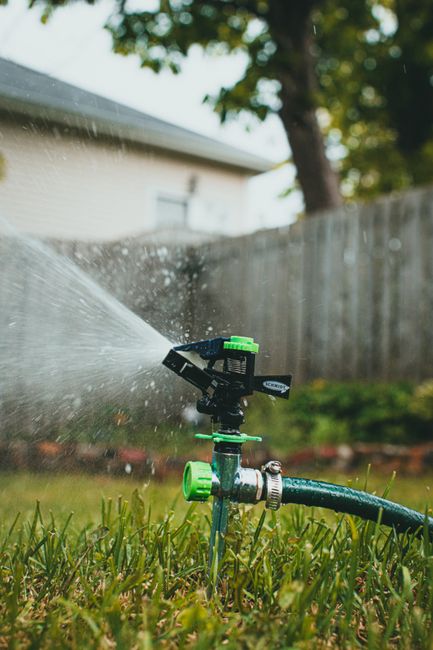
Most home systems fall into one of three types. First, timed sprinklers or fixed spray heads for lawns and broad beds. Second, hose or hand watering, often with a trigger nozzle. Third, drip irrigation or micro-irrigation, which sends water more slowly to the base of plants. Each method can work well. Each can also waste a surprising amount of water if one part is off.
In practical terms, a good check asks questions like these: Is anything leaking? Is the coverage even? Is water pooling instead of soaking in? Is the schedule too long, too frequent, or set for the wrong time of day? You do not need to be an irrigation specialist to answer them. A bucket, a few minutes, and a close look are often enough to spot the obvious problems.
For bigger outdoor spaces, irrigation checks often sit alongside wider garden work such as landscaping services or lawn care support, because soil shape, planting layout, and turf health all affect how water moves. Truth be told, water rarely behaves the way people expect it to behave.
Key benefits and practical advantages
The obvious benefit is lower water use. But that is only the start. Efficient irrigation supports healthier roots, steadier growth, and fewer heat-stress issues during dry spells. It also helps you avoid the classic summer pattern of alternating between bone-dry soil and flooded pots. Plants generally hate that rollercoaster.
Here are the main gains you can expect from easy checks:
- Less waste: fewer leaks, less overspray, and less runoff into paths or drains.
- Better plant health: water reaches roots more reliably, which supports deeper rooting.
- More even results: lawns and borders dry out more consistently rather than patchily.
- Lower maintenance stress: you spend less time firefighting droopy plants or wet patches.
- Improved surface safety: fewer slippery areas on patios, decking, and steps.
- Smarter costs: less water used usually means less money wasted over the season.
There is a second-order benefit too: regular irrigation checks sharpen your understanding of the garden itself. You start noticing which beds dry out first, which pots need more frequent attention, and which parts of the lawn are compacted. That knowledge is useful even if you later switch planting styles or redesign the space.
If your garden includes hard landscaping, the effect is even more noticeable. Water spraying across paving or decking tends to leave staining, moss, and a slightly neglected look. That is one reason many people pair irrigation checks with patio cleaning or decking services when they are refreshing the garden for summer.
Who this is for and when it makes sense
These checks are useful for almost anyone with outdoor planting, but they are especially handy if you manage lawns, mixed borders, veg beds, containers, or newly planted shrubs. Young plants need more careful watering than established ones, and containers can dry out alarmingly quickly on a warm day. You will notice that by late afternoon if not sooner.
This approach makes particular sense if:
- you have a timed sprinkler or irrigation controller
- you water more than once a day and are not sure it is necessary
- you see wet patches, puddles, or runoff on paths
- some plants thrive while others always look thirsty
- you have recently changed planting layout or added new beds
- you want a more drought-aware garden without a major redesign
It is also a good idea if your garden gets heavy use. Families, pet owners, and people who entertain outdoors often need a watering setup that can keep up without soaking seating areas or play spaces. If that sounds familiar, broader advice from professional gardening services can help tie irrigation into the rest of the garden routine.
And if your garden is shaded, windy, or full of awkward corners, do not assume you need more water across the board. Sometimes the right fix is improving distribution, not adding volume. That distinction saves a lot of trial and error.
Step-by-step guidance
Start with a clean, methodical walkthrough. Do it in daylight, ideally in the morning before strong heat sets in. A quick glance is not enough. You want to actually watch the water behave.
- Turn the system on and observe every zone. Look for obvious leaks, broken heads, loose fittings, and water spraying where it should not.
- Check coverage at plant level. Make sure leaves, soil, and root zones are being reached evenly. Dry patches at the edge of a spray pattern are common.
- Inspect the soil after watering. Push a finger or hand trowel a few centimetres into the soil. If it is wet on top but dry below, the water may be running off or evaporating too quickly.
- Watch for pooling. Standing water near beds, lawns, or pots suggests too much water too quickly, poor drainage, or blocked emitters.
- Test timer settings. Confirm the start time, duration, frequency, and zone order. A timer that was right in May may be excessive by July.
- Measure sprinkler output. Put out a few shallow containers and compare how much water each zone delivers. Uneven results often reveal hidden imbalance.
- Adjust for plant type. Newly planted shrubs, seedlings, lawns, and mature perennials all need different watering patterns.
- Retest after one or two days. A single fix is good; a verified fix is better. Small changes can have a surprisingly big effect.
If you use hose watering, the same logic applies. Check pressure, nozzle pattern, and how long you hold the hose in one spot. Standing there for ten minutes while water splashes over leaves can feel productive. It often is not.
A useful rule of thumb: water slowly enough for the soil to absorb it, but not so slowly that you end up overcompensating with extra time. That balance takes a little practice, and that is normal.
Expert tips for better results
Small adjustments often make the biggest difference. In summer, gardens are unforgiving of sloppy watering habits, but they are also very responsive when you get the basics right.
Water early, not late
Morning watering usually gives the best chance of absorption before heat and wind increase evaporation. Evening watering can be fine in some cases, but if you overdo it, you may keep leaves and soil damp for too long. That is not ideal for many plants.
Prioritise root zones
Water at the base, not across the whole plant unless the plant truly needs a wash-down. Roots are where the work happens. It sounds obvious, but it is easy to forget when a sprinkler is merrily misting everything in sight.
Use mulch where appropriate
Mulch helps reduce evaporation and keeps soil temperatures steadier. It is not a magic fix, but it often lets you water less frequently. That is especially helpful for borders, shrubs, and young trees.
Group plants by thirst
Try to keep high-water plants together and drought-tolerant plants together. It makes irrigation simpler and avoids wasting water on plants that would rather stay on the dry side.
Check after windy days
Wind can distort spray patterns, especially on exposed sites. If your garden gets gusts, you may find some zones under-watered while others are drenched. If that sounds familiar, the advice in windproofing your garden can help you think about exposure as part of watering efficiency.
Do a quick weekly walk-through
Every system benefits from a short inspection, even a hand-watered one. Five minutes a week is usually enough to catch new issues before they turn into wasteful habits.
One more thing: do not trust a healthy-looking lawn on the surface alone. It can hide compacted soil below, and compacted soil changes how water absorbs. If you are already thinking about broader summer turf care, the article on lawn mowing support is a useful companion read because mowing height and watering habits often affect each other.
Common mistakes to avoid
Most irrigation waste comes from a handful of predictable mistakes. Avoiding them is often easier than adding new gear.
- Overwatering on a schedule alone: weather changes, and your timer does not always know that.
- Ignoring broken or misaligned heads: one tilted sprinkler can waste a surprising amount of water.
- Watering too fast: runoff can look like watering, but it is mostly just water moving away.
- Forgetting containers: pots dry faster than beds, especially in direct sun and on paving.
- Spraying leaves instead of soil: not every plant likes a soak from above.
- Skipping soil checks: the surface may be damp while deeper roots are still dry.
- Leaving hose leaks untreated: tiny leaks add up over a long summer.
There is also a mindset mistake: assuming that more water equals better care. Often it does the opposite. A garden can look tired for many reasons, and water is only one of them. If weeds are crowding out plants or beds are overgrown, water efficiency can be affected too. In that case, tidy-up work such as weed control tips or hedge trimming may improve airflow and help the garden hold water more sensibly.
A slightly messy truth: sometimes the waste is not in the irrigation kit at all. It is in the plant placement. A thirsty bed next to a dry, sheltered corner might need design changes rather than more watering. That is where smart landscaping choices start paying off.
Tools, resources and recommendations
You do not need a big shopping list, thankfully. A few basic tools cover most checks, and many homeowners already have them.
| Tool or item | What it helps with | Best use |
|---|---|---|
| Bucket or small container | Measuring output from sprinklers or hose watering | Spotting uneven coverage |
| Hand trowel | Checking soil moisture below the surface | Knowing whether water is actually reaching roots |
| Notebook or phone notes | Tracking timer changes and problem zones | Preventing repeat errors |
| Nozzle with adjustable flow | Controlling pressure and spray pattern | Reducing waste during hand watering |
| Replacement washers or connectors | Fixing simple leaks | Stopping drips before they become a pattern |
| Mulch | Reducing evaporation and surface crusting | Keeping borders and beds wetter for longer |
For people with a larger or more complicated garden, a proper review from a trusted garden maintenance team can help identify waste points that are not obvious at first glance. The same goes if you are juggling irrigation with pruning, seasonal tidy-ups, or layout changes. A garden often works as a system, not as isolated bits.
If your planting style includes pots, baskets, and compact beds, it can also help to read up on container gardening basics. Containers behave very differently from in-ground plants and usually need a more careful watering rhythm.
Law, compliance, standards, or best practice
For typical domestic gardens, there is usually no complex legal hurdle attached to ordinary irrigation checks. Still, best practice matters. In the UK, many councils and water companies encourage sensible watering during dry periods, and it is wise to follow any local guidance if restrictions or hosepipe measures are announced. Those measures can change, so check current local information when summer weather turns sharp.
From a practical standpoint, the safest and most responsible approach is to avoid wasteful runoff, prevent water from crossing paths or neighbouring boundaries unnecessarily, and keep hoses and fittings in good condition. If irrigation water is pooling in a way that causes slippery surfaces or nuisance drainage, that is worth fixing promptly. Common sense applies here, even if it sounds a bit dull.
For hard landscaping areas, it also makes sense to keep surfaces in decent repair. Water that splashes onto cracked paving, rotting decking, or clogged joints tends to create more maintenance down the line. If you are dealing with worn edges or water-sensitive outdoor structures, services like patio cleaning and decking services can be part of a sensible long-term upkeep plan.
Options, methods, and comparison table
Not every watering method suits every garden. The best choice depends on planting type, budget, access, and how much time you realistically have. A little honesty helps here. If you know you will not manually water every morning, a timer or drip setup may be the better choice.
| Method | Strengths | Weak points | Best for |
|---|---|---|---|
| Hand watering | Very targeted, low setup cost, flexible | Time-consuming, easy to overdo in one spot | Small gardens, pots, new plantings |
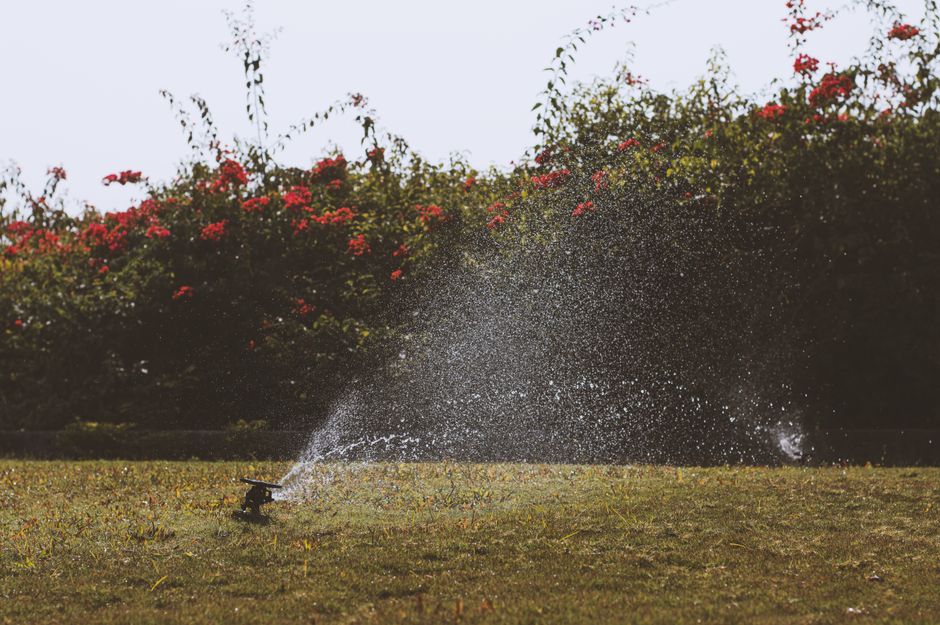
| Sprinklers | Good for lawns and large areas, quick coverage | Can waste water through overspray and evaporation | Larger lawns and open beds |
| Drip irrigation | Efficient, targeted, ideal for root zones | Needs setup and periodic checking for blockages | Borders, raised beds, shrubs, veg patches |
| Timer-led systems | Consistent and convenient | Can become wasteful if settings are never reviewed | Busy households and mixed planting schemes |
In many real gardens, the best answer is not one method but a mix. For example, a timer-controlled drip line for beds, hand watering for newly planted pots, and a lightweight sprinkler for the lawn when needed. Mixed systems sound slightly fussy, but they often work better than a one-size-fits-all setup.
If privacy planting or boundary shrubs are part of your garden, irrigation also needs to respect growth patterns. Dense hedges can change airflow and shade levels, which affects how quickly the soil dries. If that is part of your layout, the article on fast-growing hedges for privacy may give you a few useful ideas.
Case study or real-world example
Here is a simple real-world style example. A small suburban garden with a lawn, three raised beds, and several terracotta pots was being watered by a single timer setting. The owner noticed that one side of the lawn stayed soft and patchy while the raised beds were still drying out by midday. The timer was not broken, exactly. It was just not well matched to the space.
After a basic check, three things changed: the sprinkler heads were realigned, the watering time was shortened, and the pots were moved into a slightly more sheltered spot. A couple of connectors were replaced because they were leaking just enough to matter. Nothing dramatic. No expensive kit. The following week, the garden looked less stressed, and the owner spent less time wondering whether they were watering too much or too little. That kind of calm matters more than people admit.
The interesting part was not the fix itself. It was the pattern. The garden had not needed more water. It had needed better delivery and a less rigid schedule. That is often the story behind wasted irrigation.
In larger or more structured gardens, a similar outcome can come from a broader refresh. For example, if beds are overcrowded or the layout is awkward, a garden overhaul approach may improve water efficiency by design rather than by habit alone.
Practical checklist
Use this quick checklist before or during the warmest weeks of summer. It is simple, but it catches a lot.
- Inspect all hoses, taps, connectors, and sprinkler heads for leaks.
- Check that spray patterns land on plants, not paths, walls, or fences.
- Look for puddles, runoff, or damp patches that stay wet too long.
- Test soil moisture a few centimetres below the surface after watering.
- Review timer settings and shorten them if conditions have changed.
- Water early in the day when evaporation is lower.
- Group thirsty plants together where possible.
- Use mulch on beds and around shrubs to slow evaporation.
- Adjust watering for pots, baskets, lawns, and newly planted areas separately.
- Recheck problem zones after 24 to 48 hours.
If you have pets or children using the garden, one extra check is worth adding: make sure irrigation does not leave slippery surfaces around play or seating areas. A garden can look lush and still be a bit hazardous underfoot. That is not ideal when everyone is running about with drinks and muddy shoes.
For households with active outdoor spaces, useful background reading includes creating an outdoor space for children and gardening with dogs in mind. Both remind you that water management is part of how the space feels and functions, not just how it grows.
Conclusion
Easy irrigation checks to cut water waste this summer 2026 are really about paying attention to the details that usually get missed. A leak here, a misaligned head there, the wrong timer setting after a heat shift, a dry patch hidden under the leaf canopy. None of it sounds dramatic on its own. Together, though, they can quietly waste a lot of water.
The best part is how manageable the fix is. You do not need to rebuild your garden. You need to observe it, test it, and make a few sensible changes. Once you do, watering becomes calmer, plants are less stressed, and the whole garden starts to feel a little more under control. And honestly, that feeling is worth quite a lot on a hot July afternoon.
If your garden needs a deeper summer tune-up, or you would like help aligning watering with the rest of your outdoor care, get in touch and take the next step with confidence.
Get a free quote today and see how much you can save.
Frequently Asked Questions
What are the easiest irrigation checks to start with?
Start by looking for leaks, broken sprinkler heads, and water landing outside the planting area. Then check soil moisture below the surface so you know whether the water is actually reaching the roots.
How often should I check my irrigation system in summer?
A quick weekly walk-through is a sensible minimum for most gardens. If you rely on timers, sprinklers, or drip lines, check again after heavy heat, wind, or any garden changes.
Is drip irrigation always better than sprinklers?
Not always, but drip irrigation is usually more efficient for beds, shrubs, and veg plots. Sprinklers can still work well for lawns or larger open areas if they are set up properly and checked regularly.
How do I know if I am overwatering?
Common signs include pooling water, soggy soil, yellowing growth, and shallow roots. If the top layer is wet but the soil below stays dry, you may also be watering too quickly rather than too much.
What time of day is best for watering?
Early morning is generally the best time because evaporation is lower and plants have time to absorb moisture before the heat builds. Late evening can work in some cases, but it may leave foliage damp for too long.
Can a small leak really waste that much water?
Yes, over a full summer it can. Even a drip or loose connector can become a major waste point if it is running repeatedly. Small faults are annoyingly good at hiding.
Do containers need more frequent irrigation checks than beds?
Yes. Pots and hanging baskets dry out faster than in-ground planting, especially on warm patios or in windy spots. They usually need more frequent checks and shorter watering cycles.
Should I water lawns differently from flower beds?
Yes. Lawns often need deeper, less frequent watering, while flower beds and shrubs may need more targeted application at the root zone. Treating both the same is a common source of waste.
What should I do if water is running off onto the path?
Reduce the watering rate, split the cycle into shorter sessions, or improve soil condition so it absorbs water better. In some gardens, the problem is also a misdirected sprinkler head or compacted soil.
Are irrigation checks worth it if my garden is small?
Absolutely. Small gardens often have pots, narrow beds, and hard surfaces close together, which makes water waste easier to miss. A few minutes of checking can make a noticeable difference.
Do I need professional help for irrigation checks?
Not necessarily. Many basic checks are simple enough to do yourself. That said, if you have a more complex layout, ongoing leaks, or a garden that needs broader care, professional garden support can save time and prevent repeat problems.
How can I make watering more efficient without new equipment?
Water early, aim at the roots, group plants by water need, mulch beds, and review timer settings regularly. Those small habits often deliver a bigger improvement than people expect.
Summer gardening is rarely perfect, but it does get easier once the watering routine stops guessing and starts observing. That is usually the turning point.